
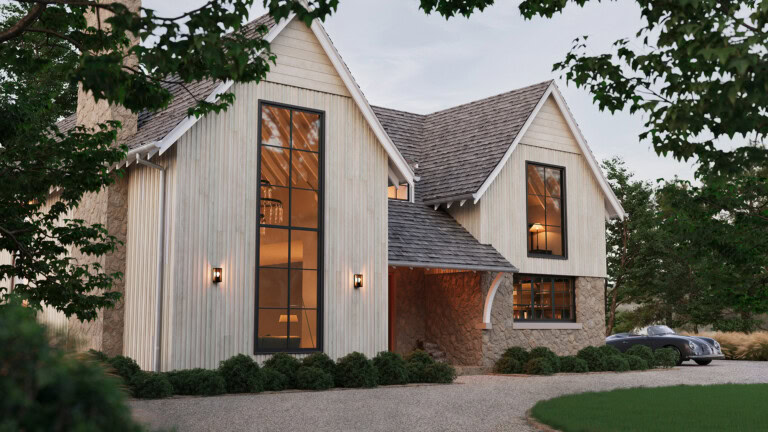
Composite Cladding for Houses Explained

Click on one of the sections below to learn more:
A house exterior does a great deal of work. It shapes first impressions, absorbs the weather year after year and, if the material choice is wrong, can create an ongoing cycle of repainting, repairs and replacement. That is why Millboard® composite cladding for houses has become such a considered choice for homeowners, self-builders and specifiers who want the warmth of timber aesthetics without the familiar weaknesses of natural wood.
For design-led projects, cladding is rarely just a protective skin. It defines character. It can sharpen a contemporary extension, soften a garden room or add contrast to brick, render and glazing. The question is not simply whether cladding looks good on day one, but whether it will still justify the investment after years of rain, UV exposure and daily life.


Why composite cladding for houses is in demand
The appeal begins with a practical truth. Traditional timber can be beautiful, but it asks a lot in return. Boards may need staining or painting, and exposure to moisture can lead to swelling, warping or rot over time. Even when well maintained, the upkeep is a commitment.
Composite cladding addresses that problem by approaching the exterior as a long-term performance surface rather than a finish that needs constant attention. A well-engineered board is designed to resist weathering, reduce maintenance demands and retain a more consistent appearance across changing seasons. For many homeowners, that means less time spent treating elevations and more confidence that the house will continue to look refined with minimal intervention.
There is also a design advantage. Premium composite cladding can capture the depth, grain and shadow lines associated with natural timber while offering a more controlled, dependable result. That matters on high-visibility façades where inconsistency, splitting or weather damage can quickly undermine the architecture.


What composite cladding is really designed to do
At its best, composite cladding is not an imitation of timber in the superficial sense. It is an engineered material crafted to carry the warmth and character of real timber, while withstanding the conditions that typically shorten the life of natural wood.
That distinction matters. Lower-grade exterior materials often force a compromise between appearance and endurance. A premium composite system is designed to reduce that trade-off. Texture, tone and finish are considered as carefully as structural behaviour, weather resistance and installation detail.
For properties across the UK, that engineering is particularly relevant. External materials face persistent damp, temperature shifts, driving rain and seasonal grime. A cladding board that looks impressive in a brochure but struggles on a shaded north-facing elevation is not a premium choice in any meaningful sense. Performance has to be proven where the house actually stands.

Design benefits that go beyond kerb appeal
Cladding has a strong visual role, but its impact goes beyond appearance. Used well, it brings proportion and rhythm to an elevation. Vertical boards can emphasise height and create a cleaner, more architectural expression. Horizontal installation can widen the visual profile of an extension or help a new structure sit more quietly within the garden.
Colour and texture also influence how a property feels. Warm, timber-inspired tones can soften hard landscaping and masonry. More weathered or contemporary finishes can add contrast and sophistication. This is one reason composite cladding is often chosen for both full façades and more selective applications such as dormers, entrance features, outbuildings and garden studios.
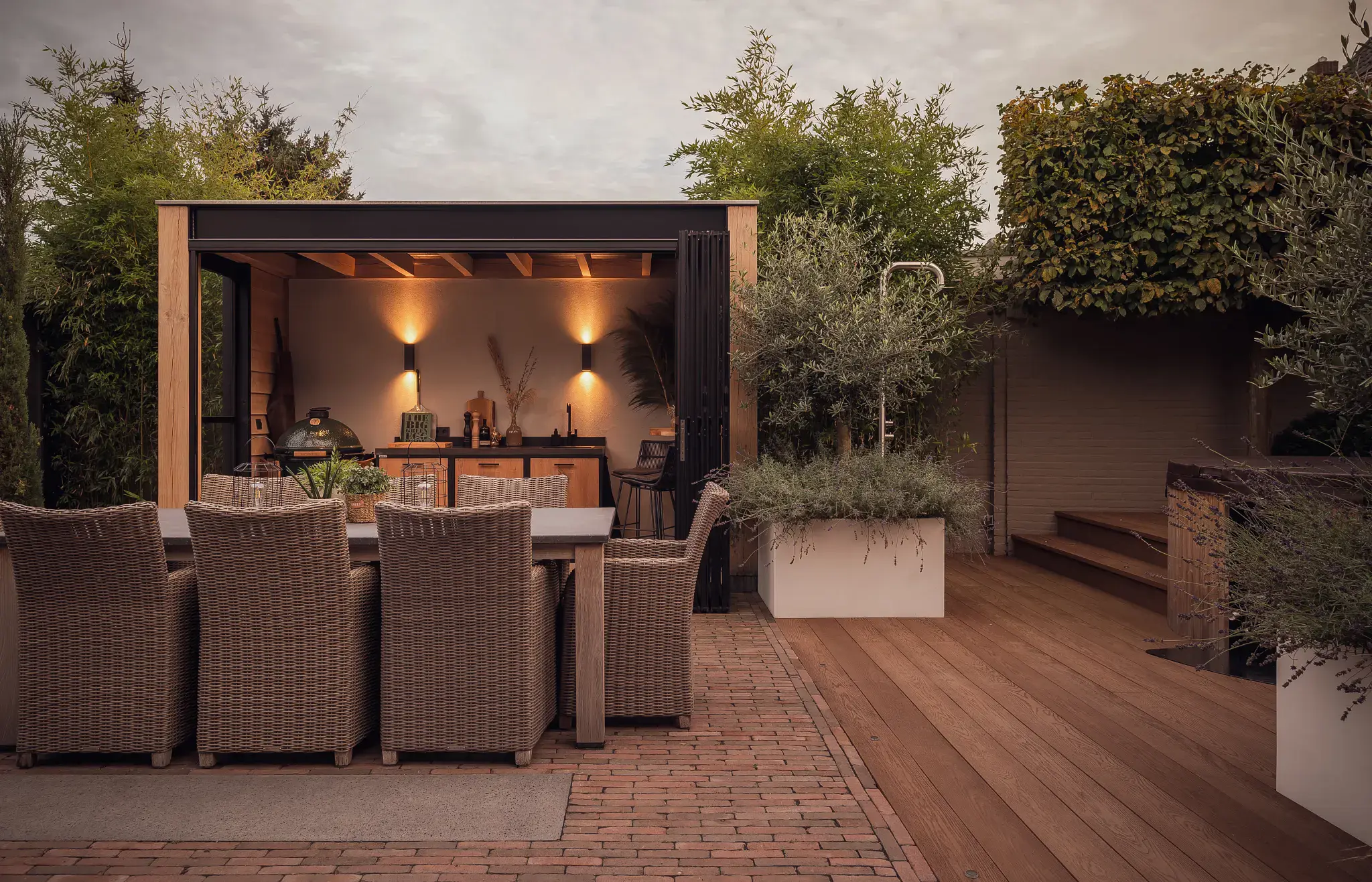
For self-builds and renovation projects, that flexibility is valuable. It allows the exterior palette to feel intentional rather than pieced together. A premium cladding system can help connect the house to decking, screening and other outdoor surfaces, creating a more coherent overall scheme.
The performance questions worth asking
When assessing composite cladding for houses, appearance should be the starting point, not the whole conversation. Long-term value comes from how the product performs once installed.
Moisture resistance is one of the first issues to examine. External boards should cope with wet conditions without the vulnerabilities associated with timber decay. Stability matters too. Boards that remain more consistent in form and finish support cleaner shadow lines and a neater elevation over time.
Maintenance is another major factor. Many homeowners are not trying to avoid care altogether, but they do want to avoid annual sanding, staining and repainting. Composite cladding is attractive because routine upkeep is generally lighter. Cleaning rather than refinishing is a very different ownership experience.
It is also worth looking at system design rather than boards in isolation. Trims, fixings, ventilation requirements and installation guidance all affect the final result. A premium product should be supported by clear technical information and a specification route that gives confidence from planning to completion.


Composite cladding for houses and the question of value
The initial investment is a fair consideration. Envello® composite cladding can sit above entry-level materials on upfront price, and that is worth understanding in context. Yet exterior materials should be judged over years, not simply at the point of purchase.
If a lower-cost façade demands regular coatings, periodic board replacement or visible compromise after a short period; the apparent saving narrows quickly. A premium composite system is usually selected because it offers stronger whole-life value. It reduces maintenance burden, protects appearance and supports a better standard of finish over the long term.
That does not mean it is automatically the right choice for every project. On a temporary structure or a highly budget-constrained build, priorities may differ. But for homeowners improving a forever home, or specifiers working on projects where longevity and presentation matter, the value case is often compelling.
Where it works especially well
Composite cladding is well suited to contemporary extensions, garden rooms and new-build homes, but it also performs strongly in mixed-material refurbishments. Used in measured areas, it can update an ageing façade without requiring a full redesign of the property.
It is particularly effective on elevations exposed to repeated wet weather or in spaces where maintenance access is awkward. A high gable, an upper-storey dormer or a rear garden building may all benefit from a material that asks for less intervention over time.
For design-conscious homeowners, the material also suits projects where outdoor surfaces need to feel connected. When cladding, decking and finishing details are resolved with the same level of care, the result feels more architectural and less improvised. That is often the difference between a house that simply has new materials and one that feels thoroughly considered.
What good specification looks like
The best results come when cladding is specified as part of the wider exterior strategy. That means considering the building’s orientation, exposure, substrate, ventilation requirements and neighbouring materials early in the process.
Texture and colour should be viewed in natural light and against the rest of the palette, not chosen from a screen alone. Installation quality matters just as much. Even a high-performing board can be let down by poor detailing, inconsistent spacing or weak substructure design.
This is where a supported specification journey becomes valuable. Samples, technical documents, CAD assets and access to experienced installers all help turn a material choice into a finished elevation that performs as intended. For both homeowners and trade professionals, confidence comes from knowing the system has been designed and supported properly, not left to interpretation on site.
Millboard’s approach has helped raise expectations here, combining hand-moulded timber character with engineered performance and the sort of technical backing that serious residential projects require.
A material choice that reflects how people live now
Exterior design has changed. Homes are expected to work harder aesthetically and practically, with garden spaces, extensions and ancillary buildings all contributing to the overall experience of the property. Materials need to look exceptional, but they also need to support a more low-maintenance way of living.
That is why composite cladding continues to resonate. It offers a more resilient answer to a familiar problem: how to achieve the richness of timber without inheriting its maintenance burden. For houses where craftsmanship, durability and visual impact all matter, it is less a trend than an enduring exterior choice.
Choose it for the look, certainly. But choose it because years from now, when the weather has had its say, the house should still feel as carefully finished as it did the day the project was signed off. Live. Life. Outside.


