
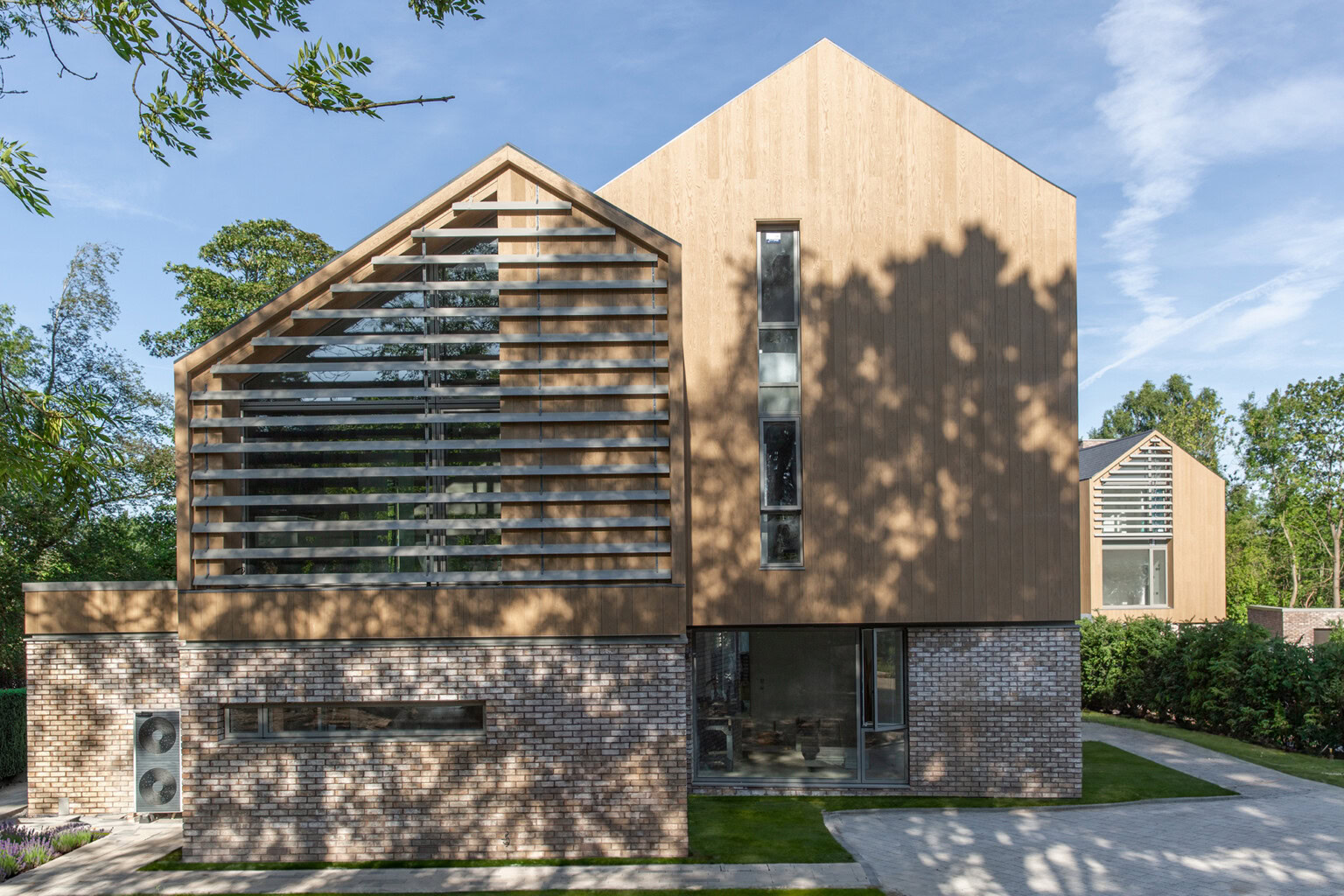
Composite vs wood cladding: Which is best for your home?
Key highlights
- Composite cladding is a modern, minimal maintenance option that offers durability, versatility, and a natural look.
- Wood cladding provides a timeless charm and authenticity to a home’s exterior; however, the natural material requires higher maintenance and care.
- Cost comparison: Though wood cladding has an initial lower cost, frequent maintenance and touch-ups may lead to future expenses. Composite cladding is more expensive, however, is extremely low maintenance and longer lasting.
Adding exterior cladding to your home is an excellent way to enhance its appearance and add an extra layer of protection from the elements. However, deciding on the right material for your needs can be challenging. When choosing the best cladding option, it’s important to address what you need and your stylistic preferences. Among the most popular choices are wood cladding and composite cladding panels– each with its own key features, benefits, and when they are most suitable.
In this guide, we’ll compare composite and wood as cladding materials to help you make an informed decision, looking at their pros and cons, and which will benefit your home.
Click on one of the sections below to explore in detail:
- What is composite cladding? – Key features and when to use
Discover how composite cladding is made and the benefits.
- Understanding wood cladding: Key features and when to use
Discover the advantages and disadvantages of wood cladding, and when to use.
- Comparing composite and wood cladding for your outdoor space
Use our comparison table to make an informed decision between wood and composite cladding for your home.
- Maintenance and cleaning: composite vs wood cladding
Gain insights into which cladding material is easier to maintain and clean.
- What are the design options for wood and composite cladding?
Browse the different design options and stylistic ideas that composite and wood cladding offer.
- The environmental impact and sustainability of composite vs wood cladding
Discover which cladding material is the most sustainable.
- Should you choose wood or composite cladding for your home?
Using the points provided, choose which cladding material is best for your needs – composite or wood.
- Frequently asked questions
Read the most common queries on composite vs wood cladding.
What is composite cladding? – Key features and when to use
Composite cladding is made from a mix of different materials including wood fibres, recycled plastics, and bonding agents, it provides natural wood’s aesthetic benefits without any of its drawbacks. Composite is perfect for homeowners looking for a rustic and welcoming feel, with low maintenance qualities and a superior finish, available in an array of colours.
Key features
- Durability: Composite cladding resists rotting, warping, and insect infestations, making it ideal for harsh climates.
- Low maintenance: Unlike wood, composite requires no staining, painting, or regular sealing.
- Versatile design options: Available in various finishes and textures, composite cladding replicates natural wood while offering more customisation options.
- Longevity: Composite cladding can last decades with minimal upkeep.
When to use
Composite cladding is best suited for homeowners looking for a modern, hassle-free solution that stands the test of time. With strong weather resistance and low maintenance qualities, Composite cladding is an excellent choice for coastal areas or homes exposed to frequent rain or intense sunlight.
Millboard Composite cladding
Along with high-quality composite decking, our Envello Cladding collection is the perfect solution for both residential and commercial buildings. Our light-weight cladding boards are wood-free and made from fibre-glass reinforced resin-mineral composite, which does not require sealing.
Showcasing the essence of natural beauty, our composite cladding collections are moulded from real oak to capture distinctive grains and patterns.
Browse our Envello collections below to find composite cladding that’s perfect for your needs.
 |  |  |
| Shop our Board & Batten+ collection | Shop our Décor collection | Shop our Shadow Line + collection |
Understanding wood cladding: Key features and when to use
Known also as “timber cladding”, wood is also a popular choice with homeowners looking to add natural beauty to the exterior of their home. There are usually various types of wood to choose from, particularly softwood cladding like cedar and pine and hardwood cladding like oak and maple.
Key features
- Aesthetic appeal: Wood cladding adds warmth and charm, with grain patterns and natural hues enhancing the visual appeal of your home.
- Customisation: Wood can be stained or painted to suit specific design preferences.
- Eco-friendly: When sourced sustainably, wood is biodegradable and renewable.
- Cheaper than composite: Though there is a smaller upfront cost initially, wood cladding will require more maintenance, particularly in harsher weather conditions.
When to use
Wood cladding is ideal for homeowners seeking a traditional aesthetic and are willing to invest time in regular maintenance.
These options are also available for decking – compare composite vs wood decking with our guide here.
Comparing composite and wood cladding for your outdoor space
When choosing between composite cladding vs. wooden cladding, consider a few important factors. Composite cladding needs less care, as it is usually made from a combination of wood fibre and recycled plastics and can be cost-effective over time. Wood cladding, however, gives a classic look to natural timber, which may need more upkeep as time passes.
In the table below, compare composite cladding and wood cladding on a number of key features:
| Feature | Composite cladding | Wood cladding |
| Durability | Highly resistant to weather, rot, and pests | Prone to warping, rot, and pest damage unless treated |
| Maintenance | Minimal – no painting or sealing needed | High – requires regular staining or sealing |
| Cost | Higher upfront, lower lifetime costs | Lower upfront, higher maintenance costs |
| Lifespan | 20-30+ years | 10-20 years with regular care |
| Sustainability | Often made from recycled materials | Sustainable if sourced responsibly |
| Appearance | Mimics wood with uniformity | Natural grain and texture |
Maintenance and cleaning: composite vs wood cladding
Maintaining composite cladding is much simpler than wood, as you only need to clean it occasionally with soapy water to keep up its desirable aesthetics. This helps remove any excess dirt or mildew.
On the other hand, wood cladding may require frequent painting, sanding, staining, and care from weather like heavy rain and hail. Moisture absorption can also be a problem for wood, leading to decay if it is not fixed quickly.
What are the design options for wood and composite cladding?
Both composite and wood cladding offer a range of design choices and the ability for customisation. Wood cladding provides unmatched authenticity, from hardwood to softwood shades. Homeowners can select from various finishes, which range from traditional to modern, depending on their style preferences.
Composite cladding excels in providing consistent colour and texture options that replicate various wood species while offering contemporary finishes.
Millboard Envello’s flexibility allows homeowners to customise their cladding boards and adapt them to various architectural styles. With three collections, Envello composite cladding is available in various hues, including those to creating a wood-like appearance, with browns and greys, to unique shades of sage green and salt blue.
Read our Millboard guide to colour for more help on your composite cladding design.
The environmental impact and sustainability of composite vs wood cladding
Composite and wood cladding affect the environment in different ways. Wood cladding is a natural material and is biodegradable. It is renewable and has a smaller carbon footprint compared to composite cladding. Timber cladding is a better option for sustainability if it comes from responsibly managed forests, especially if they are certified by organisations like the Forest Stewardship Council (FSC).
However, wood’s environmental impact can increase if the cladding requires frequent treatments or replacements. The use of stains, paints, and preservatives, which often contain harmful chemicals, can reduce its eco-friendly appeal over time.
Millboard Composite cladding is made using recycled materials. This repurposing helps divert waste from landfills and reduces reliance on virgin resources. Additionally, composite cladding’s long lifespan—often double that of wood—means fewer replacements are needed, minimising resource consumption.
Although the production process for composite cladding can involve higher initial energy use, its low maintenance requirements (no staining, painting, or preservatives) and durability make it a sustainable choice for homeowners looking to reduce their long-term environmental impact.
Read more about Millboard’s sustainability and impact here.
Should you choose wood or composite cladding for your home?
Overall, the choice is yours. Selecting the right cladding materials depends solely on your priorities, lifestyle and specific home requirements.
While wood cladding offers timeless charm and is ideal for homes in rustic settings, composite cladding products offer a practical, future-proof solution for most homeowners. Millboard Composite cladding’s combination of aesthetic versatility, durability, and sustainability makes it a standout choice for those looking to invest in a material that enhances their home while requiring minimal effort.
If you have any questions or would like more advice on choosing a cladding material, contact the Millboard experts today – call us at 024 7643 9943.
Frequently asked questions
Related content
Composite vs PVC
Composite vs stone
Composite vs metal